
Lois Lawrence
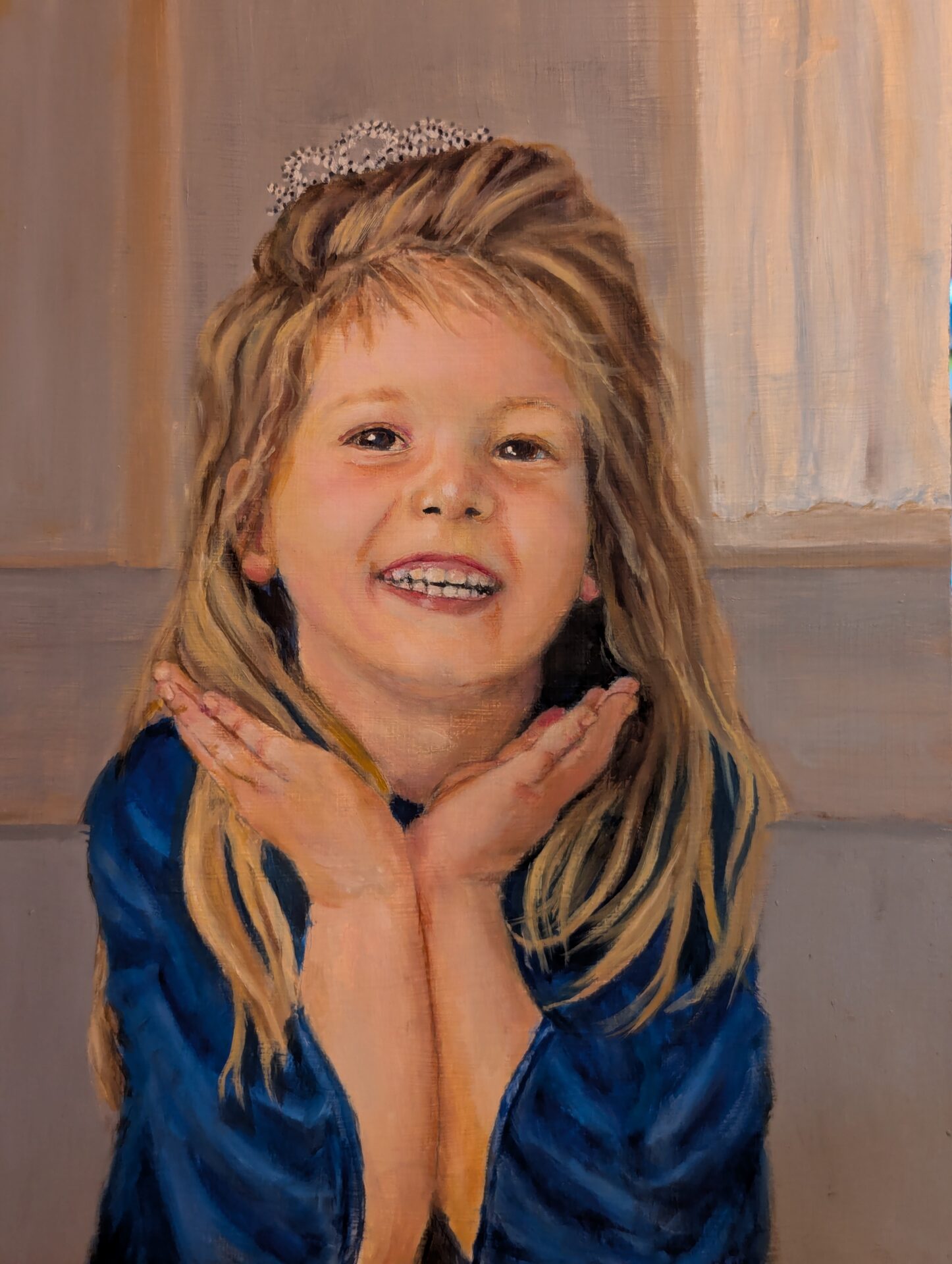
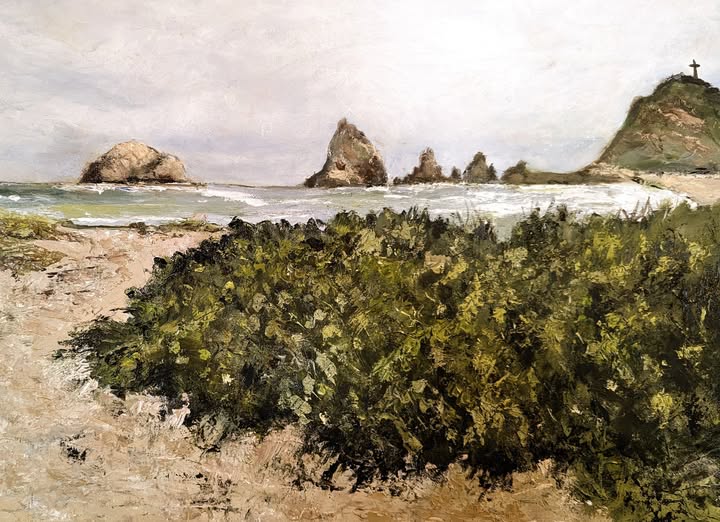
Lois Lawrence, one of September’s featured artists, is a representational painter who describes her work as rooted in traditional realism, shaped by close observation and a deep appreciation for the people and places that define her life. She primarily uses oils and draws her subjects from her immediate surroundings and lived experiences, allowing each painting to emerge from moments that feel both familiar and quietly significant. Lawrence explains, “In my figurative pieces, I strive to tell stories—small human narratives revealed through gesture, light, and atmosphere—while my landscapes aim simply to honor the beauty of my hometown of Stonington, Connecticut, and the places that have left their mark on me.”
Describing herself as a, “francophile and a devoted traveler,” Lawrence is often inspired by subjects discovered in France, Guadeloupe, Martinique, and Canada, where color, culture, and coastal light offer endless inspiration. The place she revisits most is a peaceful cove near her home in Stonington, a site whose ever‑changing hues and rhythms continually renew her sense of purpose. She explains, “whether I am painting a quiet shoreline, a bustling street abroad, or a figure caught in a fleeting moment, my goal remains the same: to create work that reflects the poetry of real life and the quiet beauty found in the world around me.”
Lawrence is an elected member of the Artists’ Cooperative Gallery of Westerly (currently President); an associate member of the Lyme Art Association, Old Lyme, CT; a member of Essex CT Art Association, the Bristol Art Museum, R.I., and a juried member of Connecticut Women Artists, Inc.
R. Douglass Rice
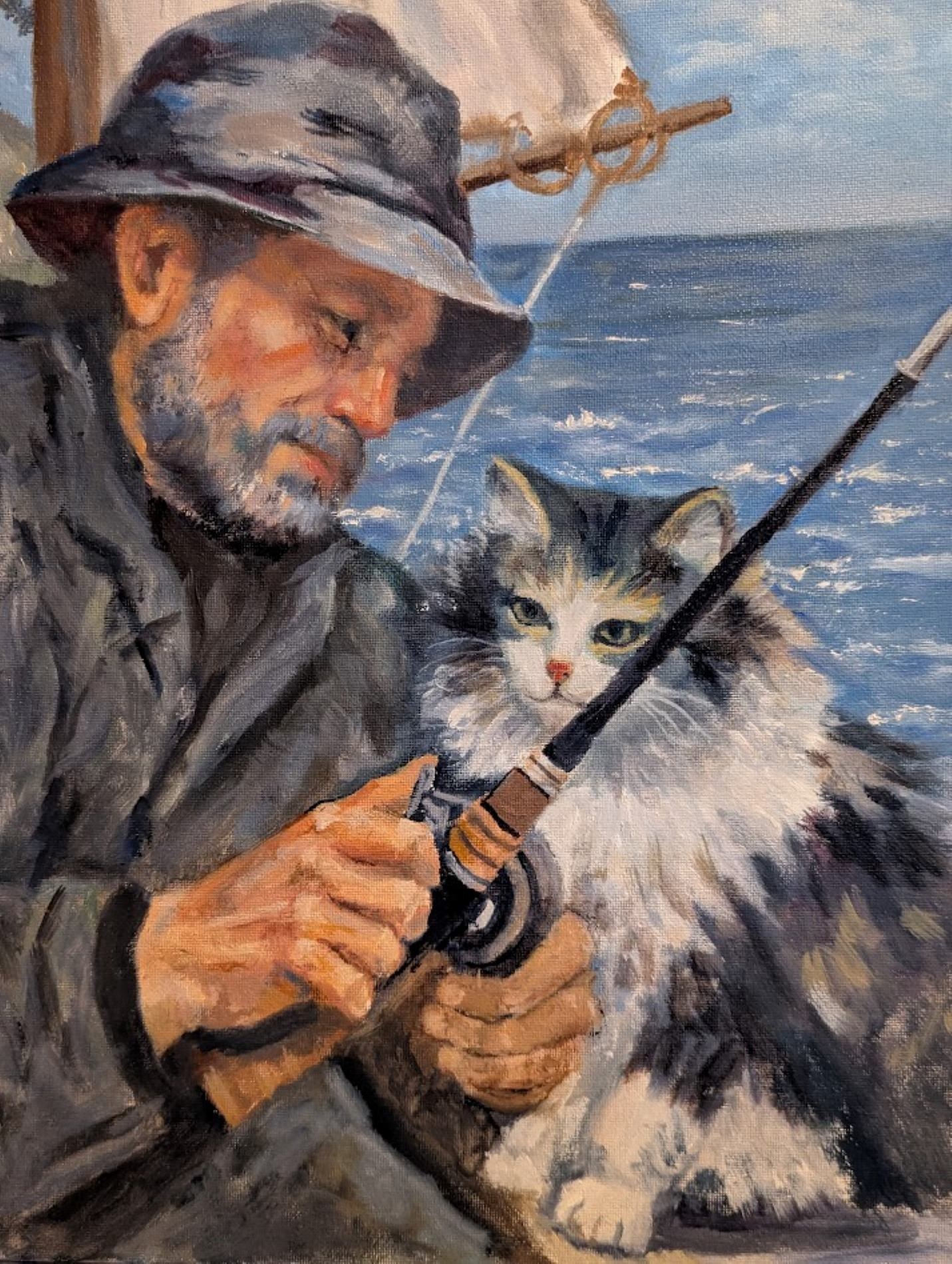
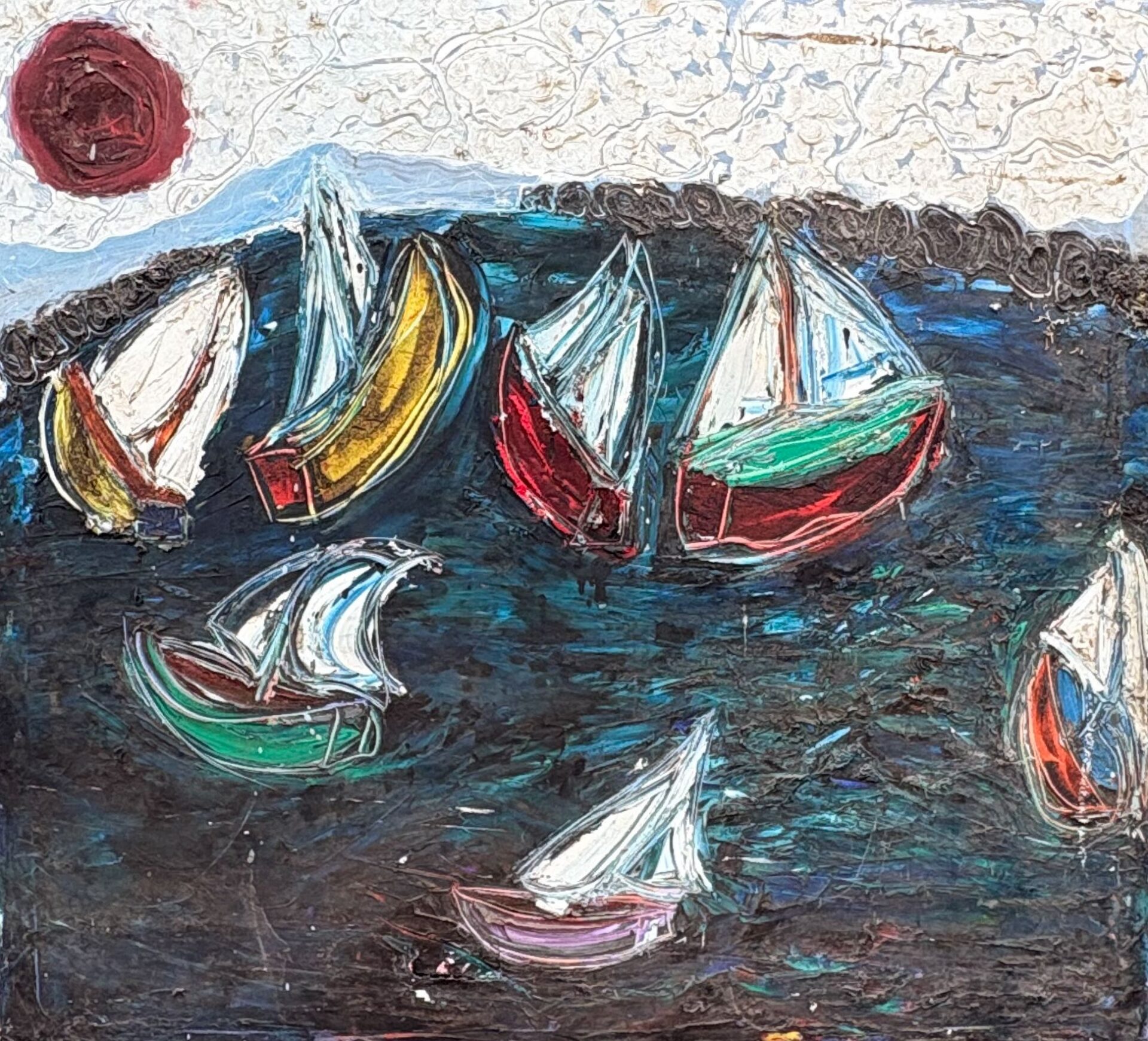
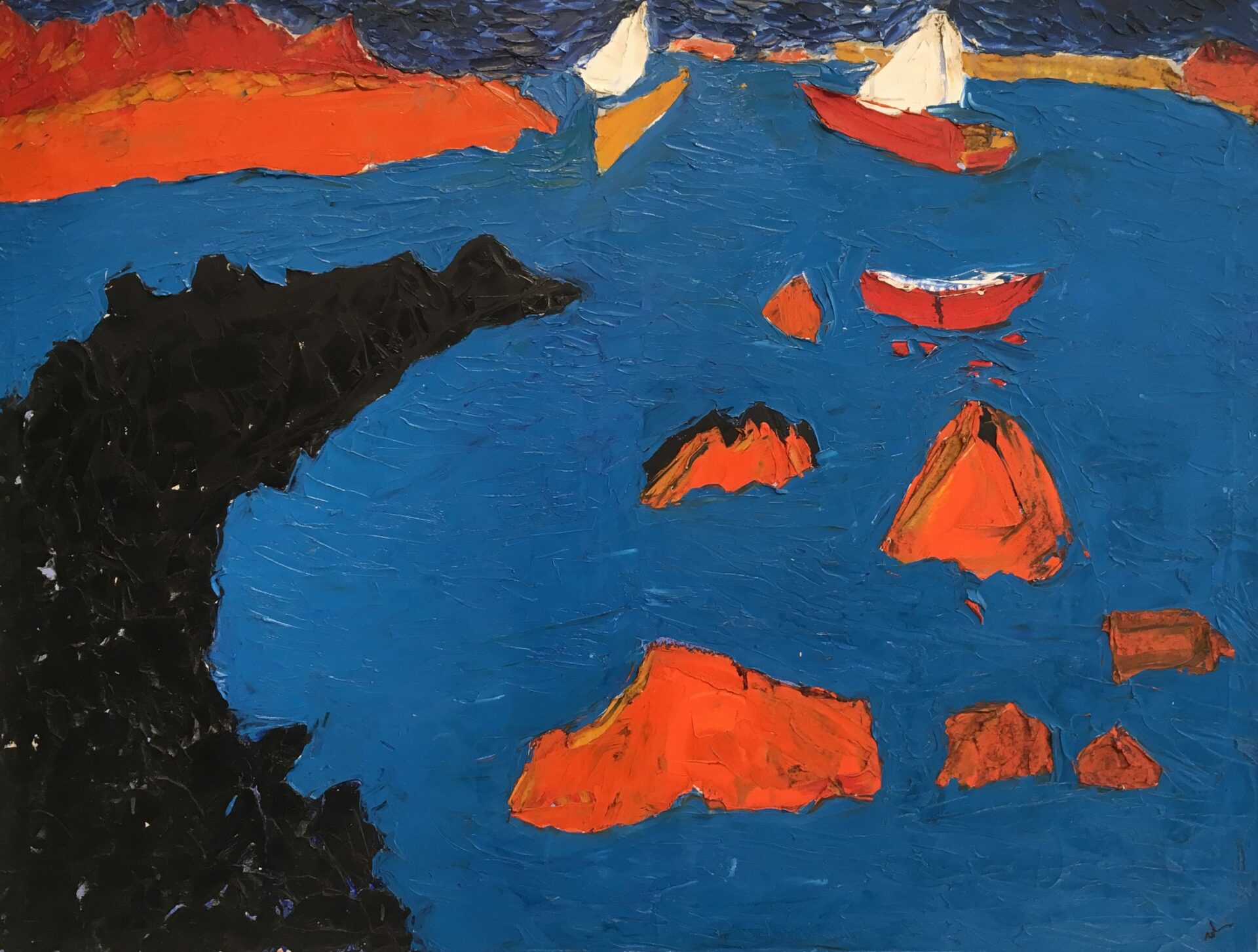
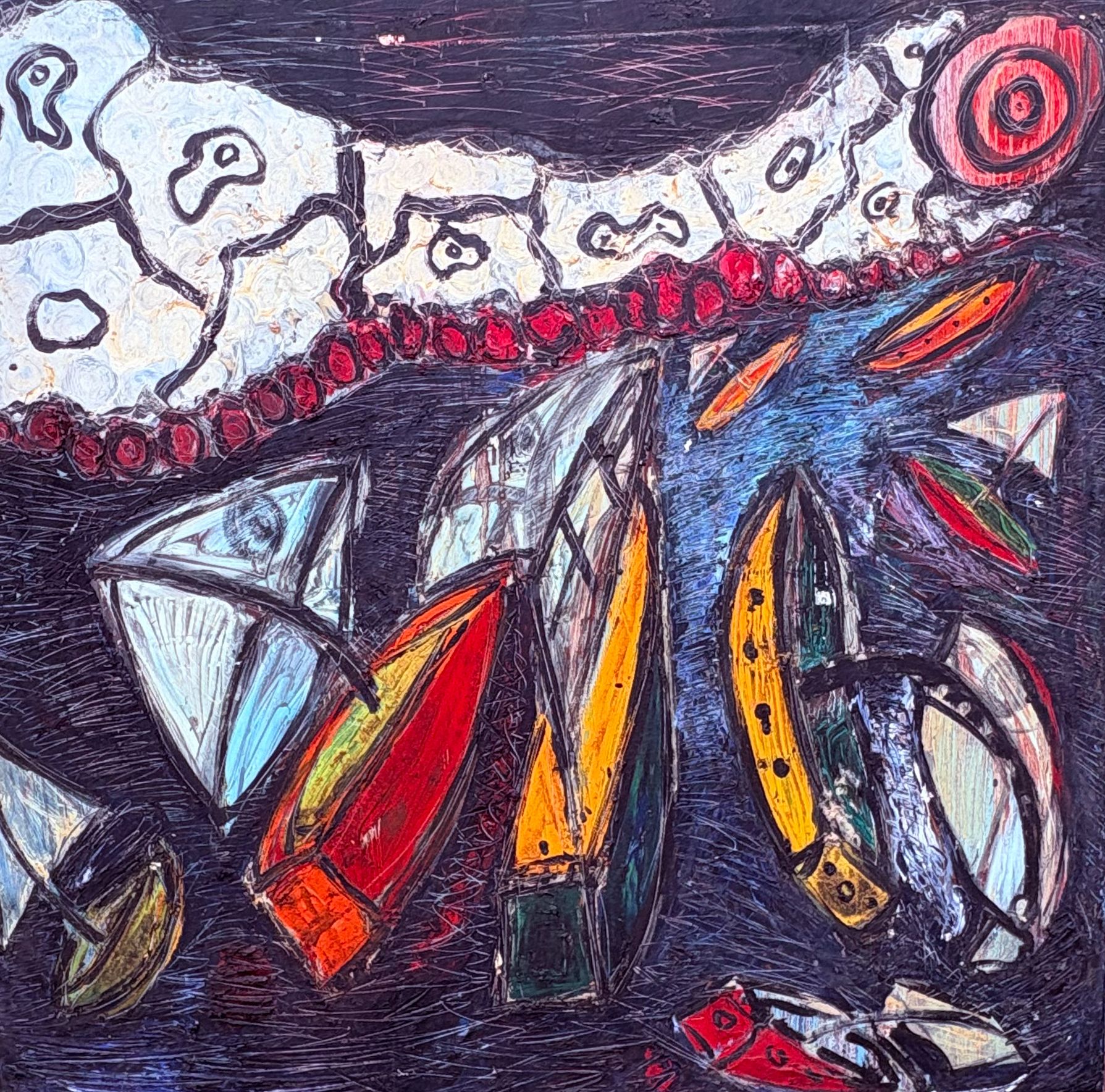
September’s second featured artist, R. Douglass Rice's, mediums include oils and sculpture. He has spent many years painting figures and abstract compositions. In addition, he devoted much of his time to creating large abstract sculptures. He was born in La Jolla, California, and grew up in Sewickley, Pennsylvania, later moving to San Francisco. He started to study sculpture in high school and went on to study human biology and visual arts in college.
Rice recently shifted the direction of his subject area after a trip to NYC. He explained, “I found myself unexpectedly transformed by an exhibit at the Metropolitan Museum of Art — a show of the Fauves (French for wild beasts-a group of early twentieth century artists including Matisse who used wild, shocking colors). Walking into those rooms felt
like stepping into pure color. There were boats by Derain and Vlaminck and Matisse, sails shimmering on the Seine, trees burning with color, reflections flickering across the surface of the water. Something in me just exploded.”
Upon returning to his home in Stonington CT, a working fishing village, he began to see the harbor in new ways, through a Fauvist lens. Douglass explained, “the reds were redder, the grays of weathered wood leaned into violet and green, and the whole waterfront seemed to vibrate with possibility. I started to go to the docks with paints and my sketchbooks and put down thick strokes, pushing the palette way beyond the realism as I painted boats, houses and the ever-changing coastal light of Stonington.”